
Faith Leaders Celebrate Impact of Collaborative Health Projects in Barking and Dagenham
BDFLN is a multifaith network supported by FaithAction, bringing faith‑based organisations together to build strong relationships, share learning and co‑design new programmes of support. With funding from the local authority public health team, the network has delivered a range of health projects based on the Faith Health Action Partnership (FHAP) model and maximising impact by using the trusted communication networks within faith communities.
The celebration event brought together a wide range of attendees, including councillors, senior council officers, health partners, faith leaders and beneficiaries of the projects. It was opened by Councillor Saima Ashraf, Deputy Leader and Cabinet Member for Community Leadership and Engagement, who spoke about the importance of community, recognising differences and working together to create positive change.
Andrew Welsby, Project Officer at FaithAction, highlighted the breadth of projects delivered through the network and their impact on local communities, while calling for sustained, long‑term funding to enable this vital work to continue.
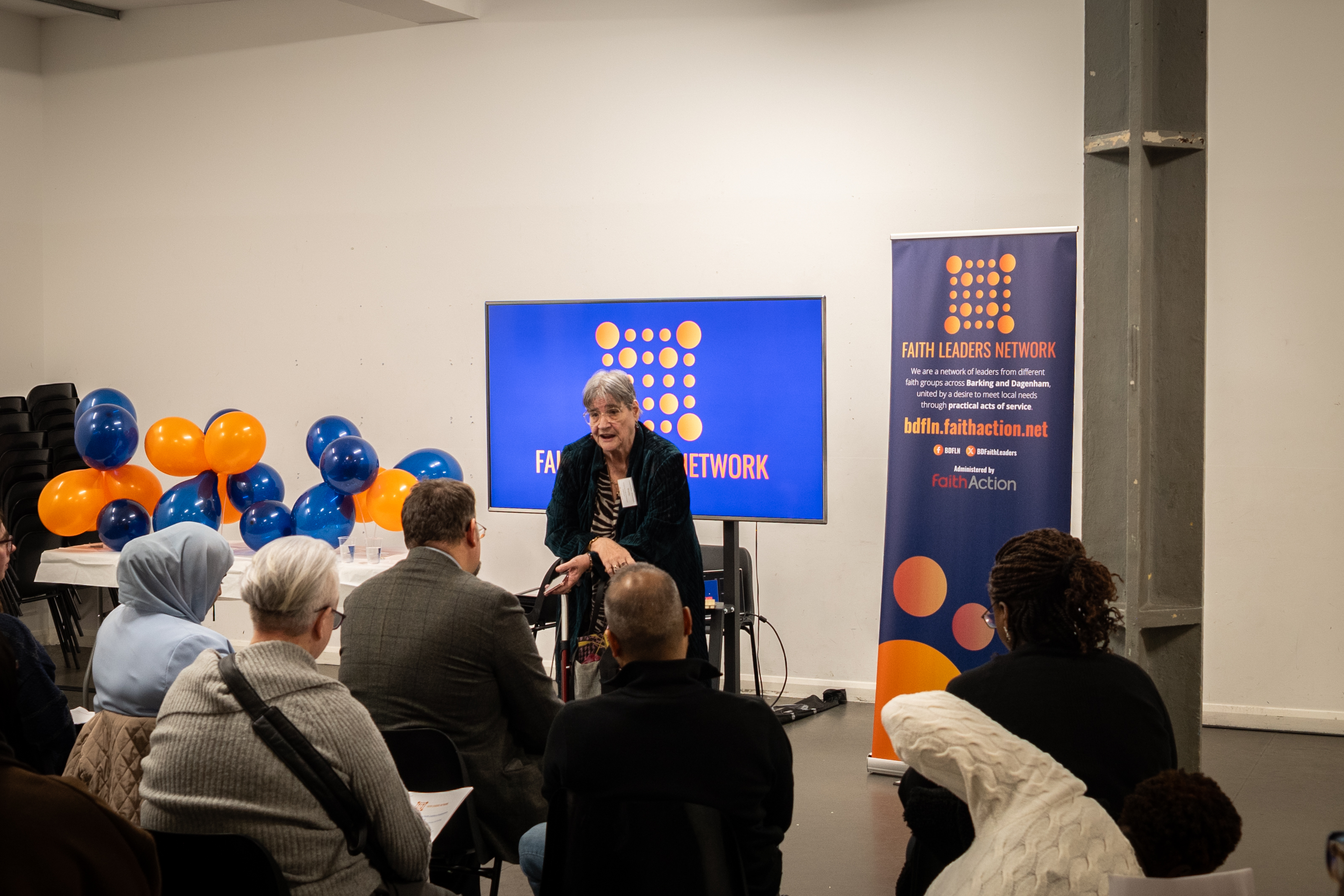
A mini‑panel featuring project leads from Barking Muslim Association (BMA) and RCCG Apata Irapada showcased two co‑designed projects responding to different health inequalities. Imran Raffiq from BMA spoke about their trauma‑informed training programme for staff and volunteers, focusing on recognising signs and symptoms, supporting individuals who may not engage with services, and bridging gaps between communities and health providers. The work addresses the long‑term health impacts of adverse childhood experiences and demonstrates how faith‑based organisations can play a preventative role in reducing future health inequalities.
RCCG Apata Irapada shared a contrasting approach, focusing on cardiovascular disease and diabetes in the Black community. By delivering blood pressure and blood sugar checks alongside regular Thursday and Sunday church services, the church achieved high participation rates in a trusted and familiar setting. Pastor Ola Kuku shared how one elderly participant felt able to talk about his health concerns at church in ways he was not comfortable doing within traditional healthcare settings, highlighting the unique relational capital held by faith organisations.
The programme also heard from Manisha Modhvadia, Healthwatch Barking and Dagenham, who emphasised the importance of closer collaboration between health services and community organisations, particularly in relation to prevention and neighbourhood health. With Barking and Dagenham selected as a national pilot site for the Neighbourhood Health programme, she highlighted this as a crucial opportunity to rethink how services work with communities.
The event concluded with breakout discussions focused on what makes partnerships between faith and health truly effective. Key themes included the need for culturally sensitive public health approaches, improved digital inclusion, longer‑term funding for grassroots organisations, and ongoing collaboration between faith groups and local government.
Councillor Maureen Worby, Cabinet Member for Adult Social Care, Health and Housing, closed the event by recognising the vital role of faith leaders as trusted figures within communities and their importance in building trust and improving health outcomes.
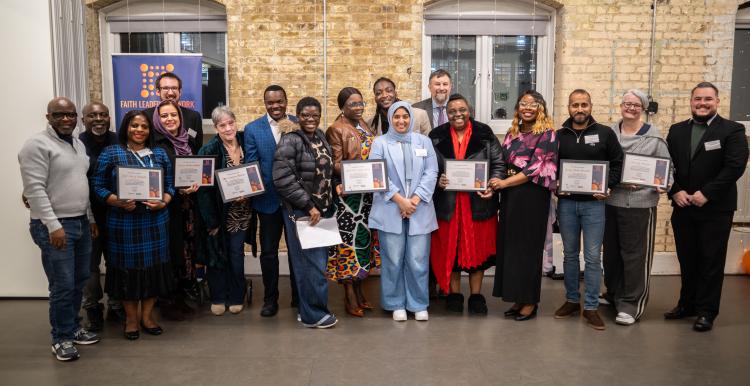
The celebration ended with the presentation of certificates to project leads who participated in the FHAP programme, marking the success of the network and the positive impact achieved through collaboration. The event reinforced the value of working with faith organisations to reach communities who may otherwise face barriers to accessing health support and services.